The Long Saga of Westfield Croydon

Hannah Sufi

Croydon in the 1960s

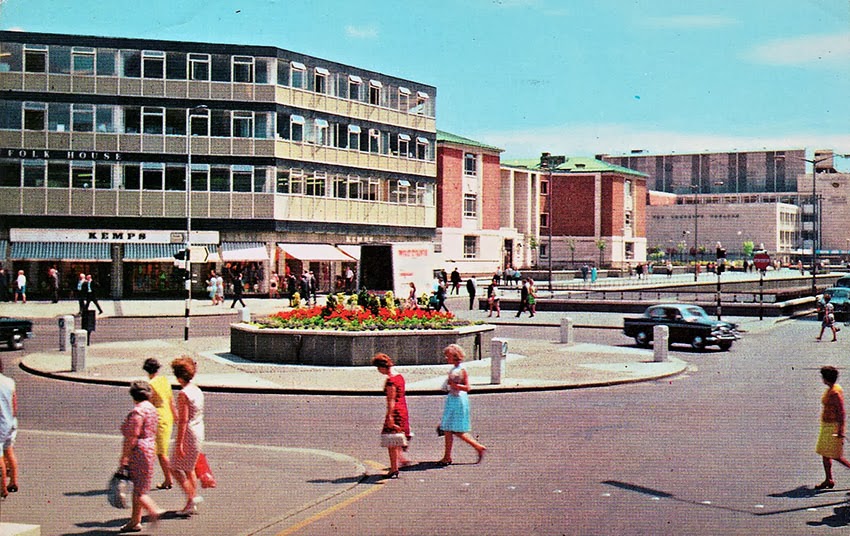
Modern brutalist architecture standing out against spacious family homes. The laughter of children cheering on a game of conkers in the street. Men in chic bell-bottomed suits parking their Ford Cortinas outside Allders, eager to shop in the third-largest department store in the UK. This was the town of Croydon, South London, as long-term resident Yamanisa first saw it in the 1970s.

Shops then were fully stocked and specialised in what they sold, whether it was leather boots or vegetables. They helped to make the town and its high street a bustling community. Back then, no-one expected Croydon to end up the way it has.

It took just five years to plan and build the shopping centre that opened its doors in 1970. Today’s residents, Yamanisa among them, face a starkly different experience, as regeneration plans have dragged on for more than a decade. In 2012, the British property investors Hammerson and Australian retail-space giant Westfield embarked on a massive £1 billion project to develop the Whitgift Centre, Centrale Shopping Centre and surrounding areas into a new and improved Westfield shopping centre. It still isn’t here, and meanwhile, Croydon’s centre is slowly dying.
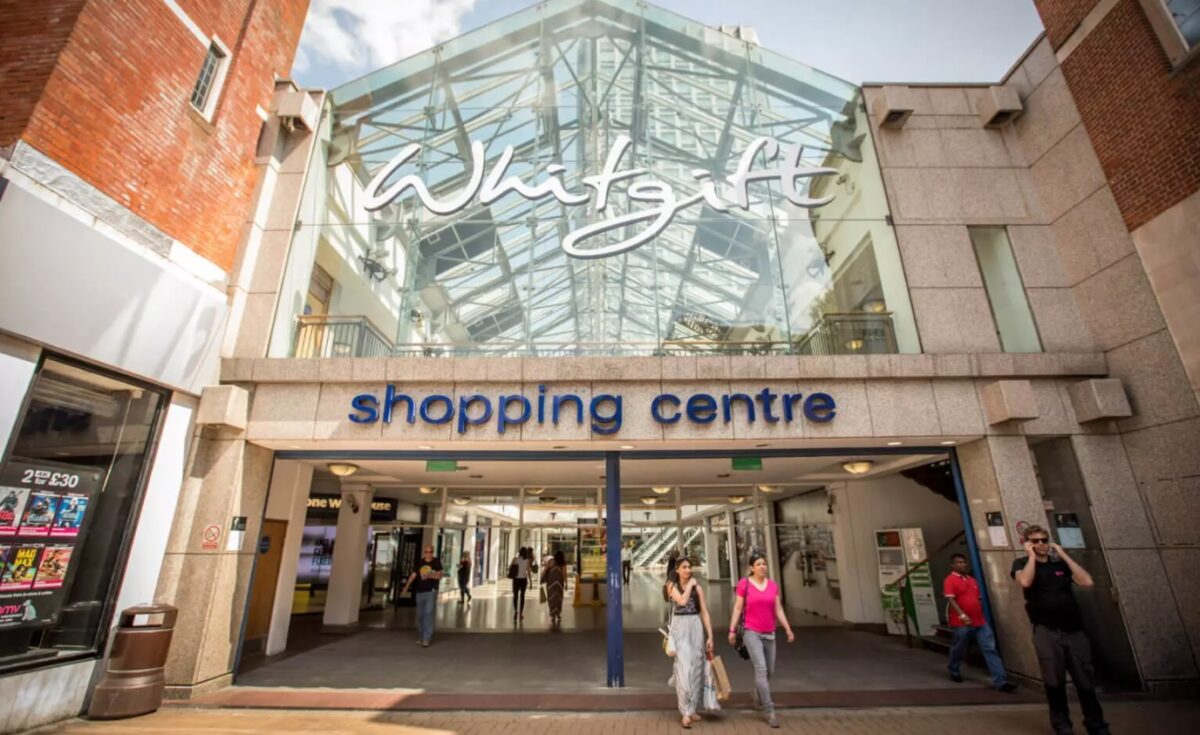
The Whitgift Centre, opened 1970 (Courtesy of Develop Croydon)

In 2022, the Conservative mayor Jason Perry was still claiming to be optimistic. “Inward investment and new shops and businesses,” he said, “will bring an uplift in business rates that will feed into the council for the provision of better services.” But by then, the plans were already unravelling. With Brexit and COVID-19 repeatedly hammering British retail, Westfield and Hammerson finally abandoned their long-delayed plans that year. Local shops, encouraged to close in anticipation of the building work beginning, had done so in vain.

Now, locals would rather avoid the town centre altogether, preferring to shop in neighbouring areas such as Kingston or Bromley. Croydon’s streets lay empty shops boarded up and covered in graffiti. Those that do remain open are “full of unsold, miscellaneous and low-quality clothes and homeware” rather than customers. Marks & Spencer, Primark, and House of Fraser are still popular, but as Yamanisa tells me, “nobody is going to come for three shops” when there’s more variety on offer elsewhere.

The Whitgift and Centrale’s owners claim they haven’t given up on Croydon. Having merged with Paris-based Unibail-Rodomco in 2018, Westfield put new plans on the table for the Croydon site in 2023. Under new multi-national ownership, they pledged not only to fulfil the original promises made to the Croydon community, but to transcend them with a mixed-use space for shopping and housing.

As the project has developed, it has shifted further towards housing, with 3,000 homes added to the scheme in 2025. Yamanisa hopes the new-builds will help ease the housing crisis for young Londoners. But she also fears they won’t be affordable for people from the area—destined instead to be bought up by those commuting into central London.

In any case, building isn’t set to start until 2028, and it will take at least a decade to complete. By then, there are likely to be few signs left of the community that Yamanisa first knew in the 1970s.

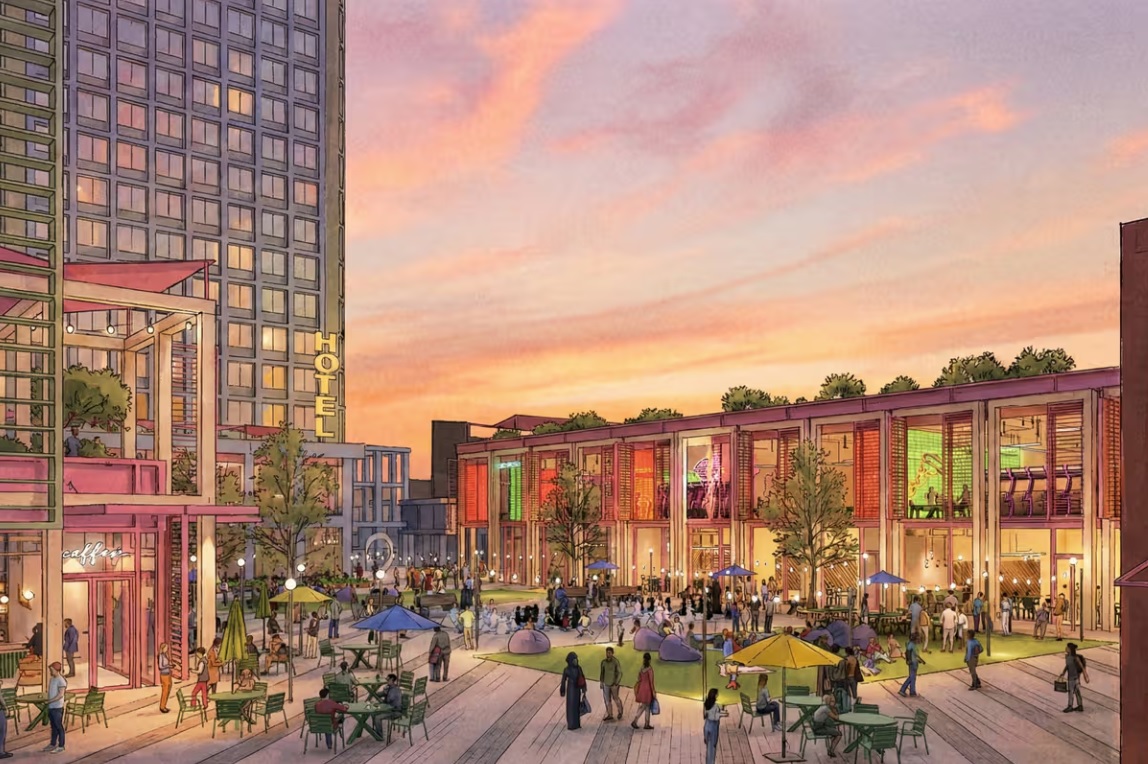
Artist's visualisation of the redevelopment (Unibail-Rodamco-Westfield)

Like her, most of Croydon’s residents are elderly. Shopping online, or travelling to other parts of the city, aren’t easily accessible for them. As more shops close, some to be demolished and replaced with homes, things will get harder for those who relied on shopping locally. Croydon “won’t be the same as I’ve known it,” says Yamanisa. She fears the effects of inequality, and developers’ need for profit, will leave people like her “forgotten” whether the redevelopment ever actually happens or not.

All over the country, high streets and the communities they once fostered have faced similar stories in the last two decades. Nobody expects a town to stay the same forever. Yet there have been few cases as stark, and as prolonged, as the saga of Croydon Westfield. Whatever regeneration means, maybe one day it will finally happen. For now, though, nobody is reaping any rewards, and everyone is suffering.

This Article Appears In

Tower Volume 3 Spring 2026